


Honkai: Star Rail
3.813.90K Reviews
App Specs
- Version
- 4.4.0
- Updated On
- License
- Free
- Downloads
- 10,000,000+
- Developer
- COGNOSPHERE PTE. LTD.
- Categories
- Adventure
- Platform
- Android, iOS
Screenshots

 Analysis by AppCompare
I usually judge a mobile RPG by how easily it fits around ordinary life: can I pick it up for a short break, enjoy a meaningful decision, and put it down without losing the thread? Honkai: Star Rail makes a strong case for that kind of routine. Its turn-based battles suit stop-and-start play better than games that demand constant movement, though its story and progression can also tempt me to stay longer than planned.
A shared device needs a clear player
On a household tablet or a phone that gets passed between people, I’d treat this as one person’s game rather than a casual shared save. The story, characters, and team choices build on one another, so swapping players can make it harder to remember why a team was assembled or what a mission was setting up. If someone else wants to try it, agreeing whose play session it is beforehand is a simple way to avoid confusion.
That arrangement also makes the game easier to enjoy. One player can follow the dialogue and make choices at their own pace, while another can watch or ask questions without needing to take over the account. I wouldn’t assume a shared device automatically means a shared experience: the person who cares about the ongoing adventure should have first call on their progress.
Set expectations before the first session
The game is free to start, but it includes optional in-app purchases priced from $0.99 to $99.99 per item. That range is worth discussing before a child or another family member begins playing on a device used for purchases. I’d set a household rule about spending and check the device’s purchase settings rather than relying on a game session to be a good time to negotiate.
There is also a useful distinction between “free to try” and “free of all friction.” A player can begin without paying, but someone who dislikes purchase prompts or the idea of paid extras may prefer a game with no in-app purchases at all. For me, the sensible approach is to decide on spending boundaries first, then judge the game on its story and battles rather than on the temptation to buy anything.
When play time has to fit around everyone
A realistic use case is a short evening break: I can make progress through a battle or explore a little, then hand the device back without needing the reflexes or uninterrupted attention demanded by many action games. Turn-based combat gives me time to consider a move, which is handy if someone nearby is talking or the session gets interrupted. Story scenes are a different matter; I’d avoid starting a long stretch of dialogue when I know I’ll need to stop every minute.
For coordination, it helps to agree on a simple handoff: finish the current fight or conversation, then let the next person use the device. That prevents one player from accidentally advancing a scene the other wanted to read. It’s a small household habit, but it suits a game where following the narrative is a big part of the appeal.
Worth Reading Before You Choose

Flipboard Shows What News Apps Must Do Beyond the Feed

Switching to Android Auto Means Rethinking Your Driving Routine

Google Calendar Makes a Crowded Week Easier to Manage

Ludo King Makes the Most of the Minutes Between Plans

Baby Panda World Brings Quick Play to Modern Phones, but Its Game Library Feels Busy

ESPN’s Live Game View Makes Following Close Games Easier
Age, trust, and the right kind of player
Honkai: Star Rail is rated Teen, so I’d use that as a starting point for deciding whether its material suits a younger player, not as a substitute for knowing the person. The anime-styled presentation can look light, but the adventure includes battles and dramatic story moments. I’d pay attention to how a child responds to those themes and to the game’s purchase options, especially if they use an adult’s device.
It is a better fit for someone who enjoys character-driven science fiction, turn-based planning, and taking time with a story than for someone who wants a quick racing game or a purely reflex-based challenge. If a player mainly wants to compete head-to-head with family, I’d choose a game designed around that kind of shared match instead. This one is more rewarding when each person can follow the adventure at their own pace.
Immersive Gameplay
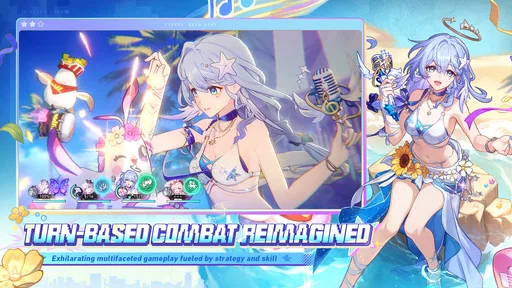
First off, the gameplay in this game is nothing short of mesmerizing. The developers, COGNOSPHERE PTE. LTD., have crafted an epic blend of strategy and action, and it pulls you right in. You’re not just pressing buttons; you’re orchestrating a symphony of battles. The turn-based combat system is as smooth as butter, making it super intuitive even if you’re new to the genre. Plus, the learning curve is friendly, so you won't feel like you're getting thrown in at the deep end.
It is still a good idea to give yourself a little breathing room when learning the battles. Turn-based play is approachable because I can think before choosing an action, but that doesn’t mean every encounter is solved by tapping whatever looks strongest. Paying attention to how characters complement one another makes the decisions feel more deliberate. When I’m short on time, I prefer a fight I can finish cleanly over beginning a story section I may have to leave midway through.
The game allows you to assemble a team of unique characters, each with their own quirky personalities and special abilities. There’s something incredibly satisfying about finding the perfect synergy between team members. It’s a game of chess, but with explosions and epic soundtracks.
A practical way to approach team building is to notice which characters make a difficult battle feel manageable, rather than constantly chasing a supposedly perfect lineup. A team that suits how you like to play is easier to understand and reuse. That also makes the game friendlier when you return after a few days away: you can rely on familiar choices instead of having to rethink every decision from scratch.
For anyone comparing it with other adventure RPGs, the key difference is the rhythm. Real-time action games reward quick reactions and continuous attention; here, the pause between turns makes planning the main pleasure. That slower pace won’t satisfy someone looking for tactile, fast combat, but it’s a real advantage for players who enjoy weighing options or need a game that can accommodate interruptions.
A Universe Worth Exploring
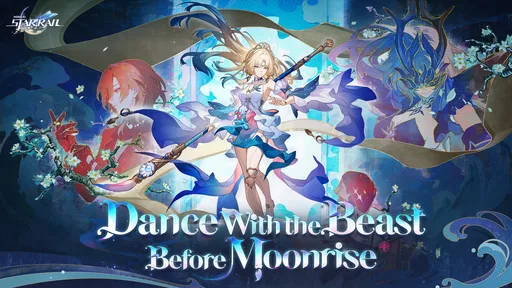
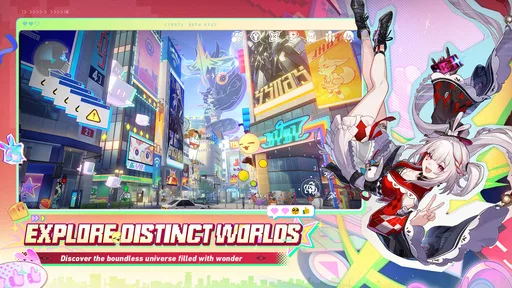
The world-building in this game is on another level. You’re not just traveling through space; you’re exploring a meticulously crafted universe. The visuals are jaw-dropping, with vibrant landscapes and intricate details that make you want to stop and just admire the scenery. The art style is anime-inspired, which adds to its charm, and every planet you visit feels like its own little world filled with mysteries and adventures.
That visual richness is best appreciated when I’m not rushing. I like treating exploration as its own session: look around, take in the setting, and follow a side activity if I have time, rather than trying to clear everything in one sitting. It gives the environments room to make an impression and keeps the journey from feeling like a checklist.
Exploration is encouraged, and the game rewards you for wandering off the beaten path. Whether you’re discovering hidden treasures or engaging in side quests that flesh out the lore, there’s always something new to uncover. It’s like being in a living, breathing sci-fi novel.
There is a trade-off here: players who prefer a direct route to the next fight may find optional detours slow down the pace. I’d follow them when I’m curious about the setting or want a break from the main plot, but I wouldn’t treat every side activity as required homework. Choosing what genuinely interests you is a better way to keep the adventure enjoyable.
Characters and Storyline
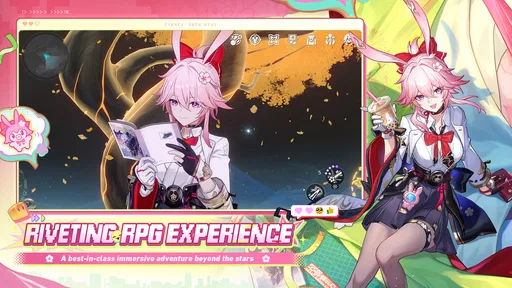
Let’s talk about the characters because, honestly, they’re the heart and soul of this game. Each character is beautifully designed, with backstories that you can’t help but get invested in. The voice acting is top-notch, adding depth and emotion to the narrative. It’s not just about leveling up; it’s about growing with these characters as you unravel the plot.
That character focus is why I would recommend it to someone who likes to remember names, personalities, and relationships from one session to the next. It is less suited to a player who skips most dialogue and only wants a mechanical challenge. If you do skip scenes, you may still enjoy battles and exploration, but you’ll be setting aside one of the game’s clearest strengths.
The storyline is gripping, weaving together elements of mystery, drama, and a dash of humor. It’s like watching your favorite anime series unfold with every mission you complete. The dialogue is cleverly written and keeps you hooked, leaving you eager to find out what happens next.
For a household with different schedules, that ongoing story is a reason to keep play sessions distinct. A person who has missed several scenes may not feel the same connection as the one following each chapter, and sharing one device can make that gap more noticeable. If you’re the sort of player who likes to discuss plot developments, it’s more fun to let everyone reach them at their own pace than to rush ahead for the sake of matching progress.
The game is developed by COGNOSPHERE PTE. LTD. and sits in the adventure category, but its appeal is more specific than that label suggests: it combines a continuing science-fiction story with deliberate, turn-based encounters. I’d point a friend toward it if they enjoy settling into a cast and a world, not if they want a short, self-contained story that wraps up in one sitting.
Sound and Music
A special shoutout to the sound design team because the music in this game is an absolute masterpiece. The orchestral scores elevate the gaming experience, perfectly matching the intensity of battles and the serenity of exploration. It’s one of those games where you might find yourself lingering in a scene just to soak in the music.
For shared spaces, I’d make sound a practical choice rather than an assumption: use a comfortable volume or play quietly when other people are reading, working, or winding down. The score adds atmosphere, but the game remains easier to enjoy when its sound fits the room. I also like saving quieter exploration for moments when I can pay attention, instead of leaving the game running while the household is busy.
Sound effects are crisp and enhance the immersive experience, whether it’s the clashing of swords or the ambient sounds of alien landscapes. It’s like a symphony for your ears.
The audio is part of the storytelling, so playing with sound can make scenes feel more expressive. Still, it is not a reason to avoid the game if you often play in a shared room; the turn-based format gives you room to pause between decisions, and you can choose a session that suits the space. I’d simply avoid treating a noisy, distracted moment as the best time to absorb an important conversation.
Final Thoughts
At the end of the day, this is a game that’s hard to put down. It’s the perfect mix of captivating storylines, strategic gameplay, and stunning visuals. It’s not just a game; it’s an experience. Whether you’re a seasoned RPG enthusiast or a newcomer looking for your next adventure, this game is worth every minute.
That recommendation comes with a clear boundary: I wouldn’t choose it for someone who dislikes extended narratives, wants constant action, or finds optional purchases uncomfortable. Its free entry point makes it easy to try, but the game also includes in-app purchases from $0.99 to $99.99 per item, so I’d make the spending conversation part of setup on a shared device. For a player who enjoys planning fights and following a cast through a science-fiction adventure, the balance is much more appealing.
On Android, it requires version 6.0 or later, and its current version is 4.0.0. It is rated Teen, so I’d consider both the age guidance and the individual player’s comfort with its themes before installing it for a younger person. A 3.5 average from around 499,000 ratings, alongside roughly 13,000 written reviews, suggests players have plenty to say about it; that mixed reception is a useful reminder that its story-first, turn-based approach won’t suit everyone.
Its reach is substantial, with over 10 million installs, but popularity alone would not decide it for me. I’d ask whether the intended player likes character-focused adventures and has time for story scenes, and whether the household is comfortable with optional purchases. If those answers are yes, this is a thoughtful choice for a shared-device routine as long as one person’s progress stays clearly their own.
So, what are you waiting for? Jump aboard the Star Rail and embark on a cosmic journey like no other. It’s time to see what all the hype is about!
Pros
- Stunning graphics and vibrant worlds.
- Engaging storyline with rich lore.
- Diverse character roster with unique skills.
- Frequent updates and new content.
- Cross-platform play enhances accessibility.
Cons
- Requires significant storage space.
- High battery consumption during play.
- In-app purchases can be costly.
- Occasional server connectivity issues.
- Complex mechanics may overwhelm newcomers.
FAQs for Honkai: Star Rail
What is Honkai: Star Rail about?
Honkai: Star Rail is a turn-based strategy RPG developed by miHoYo, set in the vast universe of the Honkai series. Players embark on an interstellar journey aboard the Astral Express, exploring diverse worlds, facing challenging enemies, and uncovering deep narratives. Its stunning graphics and engaging gameplay make it a must-try for RPG enthusiasts.
Is Honkai: Star Rail free to play?
Yes, Honkai: Star Rail is free to download and play on both Android and iOS platforms. However, it includes in-app purchases for various items, characters, and enhancements. These purchases are optional and designed to enhance gameplay, but players can enjoy the core experience without spending money.
What are the system requirements for Honkai: Star Rail?
To run Honkai: Star Rail smoothly, Android users need a device with at least 4GB of RAM and a quad-core processor. iOS users should have an iPhone 8 or newer. Ensure your device has adequate storage space and that your operating system is up-to-date for the best performance.
Does Honkai: Star Rail require an internet connection?
Yes, Honkai: Star Rail requires a stable internet connection to play. The game involves online interactions, updates, and events that necessitate connectivity. While this may limit offline play, it ensures a dynamic gaming environment with regular content updates and community engagement.
Can I play Honkai: Star Rail with friends?
While Honkai: Star Rail primarily focuses on single-player exploration and story, it incorporates social elements where players can interact. Features like friend lists and co-op events allow you to engage with friends. Keep an eye out for updates, as the developers often add new multiplayer features.


